Cessna Nose Gear Strut Assembly: General Aviation Steering and Support System
Cessna Nose Gear Strut Assembly: General Aviation Steering and Support System
Blog Article
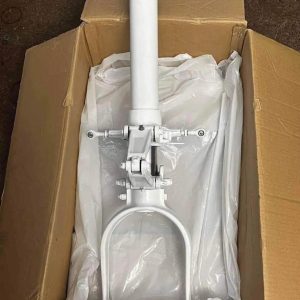
The Cessna Nose Gear Strut Assembly is an important landing-gear component designed to support the forward section of a compatible aircraft during taxiing, takeoff, landing, parking, towing, and routine ground operations.
The Cessna Nose Strut may provide shock absorption and structural support, but actual functions depend on the complete assembly and aircraft configuration.
The Aircraft Nose Gear Strut must maintain suitable alignment, movement, sealing, structural integrity, and connection with surrounding components.
A Cessna Nose Gear Shock Absorber may use fluid, gas pressure, mechanical movement, or another model-specific arrangement to manage landing and taxi loads.
A Cessna Steering Strut Assembly may interact with steering rods, collars, torque links, springs, stops, bushings, and model-specific linkage components.
Identifying the Complete Nose Gear Component
The seller should provide clear photographs of the cylinder, piston, fork, steering features, mounting points, torque links, hardware, and identification markings.
Missing components can significantly affect total project cost and installation planning.
Managing Taxi and Landing Forces
The strut must manage those loads without excessive looseness, binding, deformation, leakage, or structural distress.
Inspection should extend beyond the removable assembly to the mounting areas, firewall or support structure, brackets, steering components, wheel fork, and surrounding fasteners where applicable.
Evaluating Strut Extension and Movement
A strut that appears fully extended may still contain internal wear, incorrect pressure, or unsuitable fluid quantity.
Qualified maintenance supports proper Cessna Nose Gear Shock Absorber operation.
Maintaining Predictable Taxi Control
Correct geometry supports more consistent taxi and landing-roll control.
Excessive turning can damage linkage, hoses, fairings, fork components, or internal strut features depending on the design.
Matching the Strut to a Specific Cessna Aircraft
Model-specific verification reduces unsuitable purchases and installation delays.
The donor aircraft may provide useful history but does not independently establish eligibility for another aircraft.
Checking Chrome and Machined Surfaces
Detailed inspection supports reliable Aircraft Nose Gear Strut evaluation.
The piston should move through the permitted range without binding, roughness, excessive side play, or abnormal resistance.
Understanding Strut Seal Maintenance
A small film of fluid and an active leak should be distinguished using applicable maintenance guidance.
Any internal maintenance should be documented with parts and procedures used.
Maintaining Protective Finishes
Landing gear components are exposed to water, runway contaminants, cleaning products, salt, dirt, chemicals, and changing environmental conditions.
Fresh paint may improve appearance while concealing corrosion, filler, weld repairs, or damaged surfaces.
Inspecting High-Stress Areas
Some defects may be difficult to identify without cleaning, magnification, dimensional comparison, or suitable nondestructive inspection.
The seller should disclose the donor aircraft’s removal reason and known incident history.
Understanding Included Landing Gear Components
Fork alignment influences wheel tracking, steering response, tire wear, and clearance around fairings or nearby components.
Tire condition can influence shimmy, ground handling, and visible strut behavior.
Inspecting Landing Gear Articulation Components
Excessive play can contribute to wheel misalignment, vibration, shimmy, and accelerated component wear.
Improperly installed bushings, unsuitable bolts, missing washers, or altered holes can affect steering and strut movement.
Understanding Ground Vibration Causes
The technician should inspect the complete nose gear and steering system before selecting corrective action.
A new tire can mask but not correct underlying geometry problems.
Fluid and Pressure Maintenance
Qualified maintenance supports predictable Cessna Shock Strut Assembly operation.
Extension should be evaluated under the loading condition specified by applicable maintenance data.
Distinguishing Inspection from Overhaul
A seal replacement or exterior repaint does not necessarily constitute a complete overhaul.
A professionally overhauled unit should remain connected with the correct part and serial information.
Evaluating a Used Landing Gear Component
The seller should provide photographs of every side, including the cylinder, piston, fork, axle, torque links, steering features, mounts, hardware, identification markings, and damaged areas.
- Confirm the complete Cessna part number, dash number, serial or casting markings, aircraft model, serial-range applicability, strut type, dimensions, and configuration.
- Confirm total time when known, removal reason, donor aircraft, overhaul history, servicing status, seal replacement, and inspection results.
- Require packaging that supports the strut and protects the piston surface, cylinder, fork, axle, steering components, fittings, identification markings, records, and loose hardware from impact, corrosion, and movement.
Protecting the Landing Gear Strut in Transit
Loose hardware should be labeled, wrapped, and click here secured separately.
Careful freight preparation reduces damage to the Cessna Landing Gear Assembly.
Storage and Preservation Before Installation
Openings should remain protected from contamination.
A stored assembly should not be installed solely because it was previously considered serviceable.
Preparing for Ground-Handling Checks
The technician should verify the part number, aircraft applicability, mounting points, dimensions, hardware, steering links, torque components, wheel fork, axle, and servicing requirements.
The strut should align correctly with the aircraft structure, steering system, wheel, fork, and torque links without binding or abnormal side loading.
Taxi checks should begin conservatively and should monitor shimmy, pulling, vibration, abnormal noise, leakage, and steering behavior.
Maintaining the Cessna Nose Landing Gear
Routine maintenance should include inspection of the piston, cylinder, seals, fluid leakage, extension, fork, axle, wheel, tire, bearings, torque links, steering parts, fasteners, and mounting structure.
Preventive care protects the aircraft, occupants, and landing-gear components.
Landing Gear Ownership and Installation Costs
The commercial value of a Cessna Nose Gear Strut Assembly depends on exact identification, aircraft applicability, completeness, physical condition, corrosion status, leakage, repair history, overhaul records, included hardware, and documentation.
Availability of technical information, replacement parts, and qualified maintenance support can influence long-term value.
Selecting General Aviation Landing Gear Parts
The Cessna Nose Gear Strut Assembly offers stronger commercial value when its part number, removal history, inspection status, overhaul records, included hardware, and documentation are described accurately.
Careful technical and commercial evaluation can reduce compatibility problems, missing-parts expenses, overhaul surprises, installation delays, steering concerns, and documentation issues.
Whether maintenance teams are sourcing a Cessna Steering Strut Assembly, Cessna Replacement Nose Gear, or General Aviation Landing Gear Parts, professional inspection and installation should precede operational use.
With responsible purchasing, crack and corrosion inspection, seal evaluation, correct hardware, controlled servicing, and ground-handling checks, the component can remain a valuable aviation asset.
Report this page